The criteria that define a quality kava brand are specific and verifiable, showing up in sourcing documentation, testing results, and how straightforwardly a brand communicates about what is in its products.
High Quality Kava Starts With The Source
Not all kava plants are the same. The term "noble kava" refers to cultivars with centuries of traditional use, a well-characterized kavalactone profile, and a safety record that reflects generations of consumption. Non-noble varieties have a different chemical profile associated with a harsher experience and more adverse effects. High quality kava products are made from noble cultivars exclusively, and a brand worth trusting can document where its kava comes from and confirm which variety it uses.
How Kavalactone Content Shapes The Experience
Kavalactones are the active compounds responsible for kava's characteristic effects on relaxation and mood. A product that does not disclose kavalactone content is asking for trust without providing any basis for it. Meaningful kava products state the kavalactone percentage in the extract. Without that number, there is no way to predict whether a given serving will do anything at all.
Why Third-Party Testing Should Be Non-Negotiable
Third-party testing addresses contamination, heavy metals, labeling accuracy, and the presence of the active compounds a product claims to contain. Without it, a label is a claim with nothing behind it. Reputable kava brands make certificates of analysis available and are specific about which labs they use. That accountability is not a bonus feature in 2026. It is a baseline expectation for any supplement brand worth buying from.
Best Kava Supplement Criteria: Beyond The Label
Once sourcing and testing are confirmed, the next layer is what goes into the formula and how the product is built to perform.
Best Kava Extract: Noble Strains And Standardization
The most reliable kava products use a standardized extract, meaning the kavalactone content is controlled and consistent from batch to batch. A comprehensive review of kava's efficacy and pharmacology noted that standardized extracts produce more predictable and reproducible effects than powdered root preparations of variable potency (Sarris et al., 2011). That consistency matters practically: a product that works reliably can be incorporated into a routine, and one whose potency varies unpredictably cannot. The best kava extract products specify kavalactone percentage and back it up with testing.
What Delivery Format Signals About A Brand's Priorities
How kava is delivered shapes how well it absorbs and how consistently the experience tracks to the label claim. Kavalactones are somewhat water-soluble but more lipid-soluble, which is why traditional preparation methods often combined kava with water and fat-containing substances for better extraction. Modern kava brands that take bioavailability seriously address this in formulation. Format choices, whether a ready-to-drink product, a gummy, or a liquid, carry different practical trade-offs worth understanding before committing to one.
Ingredient Transparency And What It Signals About Standards
A brand that lists vague "proprietary blend" language on a kava product is concealing information that affects every purchasing decision a customer makes. Knowing the kavalactone percentage, the kava cultivar, and any additional ingredients is foundational to evaluating a product. Brands that are specific about what is in their formulas tend to be more careful about what goes in them.
Top Kava Brands And The Questions Worth Asking
Evaluating the kava category means applying a consistent set of questions to every brand rather than taking marketing language at face value.
What Responsible Sourcing Actually Looks Like
Top kava brands can trace their kava to its origin. Traditional kava-growing regions, including Fiji, Vanuatu, and Tonga, produce noble cultivars with established cultural and clinical use histories. Brands that source from these regions and can document it are building on a foundation that less careful operations skip. Responsible sourcing also means attending to how kava is harvested, since root peel and aerial plant parts have a less favorable safety profile than the root itself (Teschke, 2010).
Best Kava Products And The Red Flags To Avoid
Red flags in kava products include unlabeled kavalactone content, no mention of noble versus non-noble variety, absent third-party testing, and claims that exceed what the research supports. A product positioned as "treating" anxiety or insomnia rather than supporting relaxation signals a lack of care around compliance and accuracy. The best kava products are transparent, specific, and measured in what they claim.
How Consistency Across A Product Line Reflects Brand Character
A single well-made product could be an outlier. A consistently high-quality product line, where every format meets the same sourcing and testing standard, is a more reliable indicator of a brand's actual philosophy. Brands that apply the same rigor across everything they make are worth more attention than those with one standout item surrounded by filler.
How FOCL Approaches The Kava Standard
We apply the same framework to kava that we bring to every category: understand the plant, understand the research, and build products that reflect both.
Our Commitment To Verified Sourcing And Testing
Every FOCL kava product starts with noble kava and goes through third-party testing before it reaches anyone. We disclose what is in our formulas because transparency is how a brand earns lasting trust, not just a first purchase. That approach reflects how we think the best kava brands should operate.
Navigating FOCL's Kava Lineup
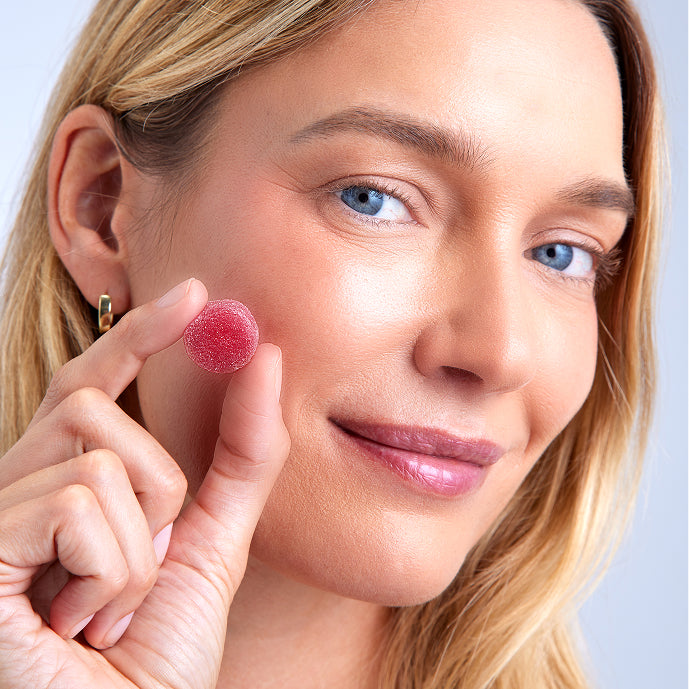
Our Kava collection includes multiple formats for different use cases and preferences. Our Kava Gummies offer a consistent, convenient format for daily calm or evening wind-down. For those looking for a ready-to-drink format that fits a social setting, our Kava Spritz Calm Social Buzz delivers the kava experience in a format designed to belong at the table. As with any supplement, speaking with a healthcare provider before starting is sensible, particularly if you are managing a health condition or taking medications.
*These statements have not been evaluated by the Food and Drug Administration. This product is not intended to diagnose, treat, cure or prevent any disease.
Sources:
- Sarris, J., Stough, C., Teschke, R., Wahid, Z. T., Bousman, C. A., Murray, G., Savage, K. M., Mouatt, P., Ng, C., & Schweitzer, I. (2011). Kava for the treatment of generalized anxiety disorder RCT: analysis of adverse reactions, liver function, addiction, and sexual effects. Phytotherapy Research, 27(11), 1723-1728. https://doi.org/10.1002/ptr.4916
- Teschke, R. (2010). Kava hepatotoxicity: pathogenetic aspects and prospective considerations. Liver International, 30(9), 1270-1279. https://doi.org/10.1111/j.1478-3231.2010.02308.x