Key Takeaways:
- For Most Healthy Adults, The Answer Is Yes: Kava is generally tolerated well at reasonable serving sizes, and most reported side effects are mild and dose-related.
- The Liver Headlines From The Early 2000s Left Out Important Context: The cases behind them were tied to specific preparation methods and plant parts, not kava root itself.
- Source And Preparation Shape The Safety Picture. Which part of the plant is used, how it's extracted, and what else is in the formula all matter more than the milligram count alone.
If you've started looking into kava, you've probably already run into the liver question. It's a fair thing to ask, and it deserves a direct answer rather than a dismissal. The honest answer is that kava's safety picture is more nuanced than a single headline can capture, and the people most likely to run into problems are usually doing something meaningfully different from what's described here.
At FOCL, we take sourcing seriously. Our kava products are built on standardized extracts, disclosed kavalactone percentages, and third-party testing for every batch.
So, is kava safe? Here's what the research actually says, what to watch for, and how the full picture changes depending on the situation.
Kava Safety In A Nutshell
For most healthy adults who aren't taking sedating medications or drinking alongside it, kava generally sits well with the body at typical serving sizes. A comprehensive review of kava's efficacy, safety, and psychopharmacology found that most people who use it moderately report no significant issues, and that kava doesn't impair cognitive function or coordination the way alcohol does (Sarris et al., 2011).
That said, "generally fine for most healthy adults" isn't the same as "safe for everyone in any amount." How safe kava is for you depends on who's using it, how much, how often, and in what form.

Kava Side Effects That Come And Go
The effects people are most likely to notice are minor and tied to serving size. Mouth tingling or mild numbness is one of the most common, just kavalactones doing their thing, and it fades quickly. Some people also notice mild nausea or dizziness, especially on an empty stomach.
Kava Dermopathy: A Rare Skin Reaction
A less common effect tied to very heavy, prolonged use is kava dermopathy, a temporary skin condition involving dryness and scaling. It's documented almost exclusively in heavy daily drinkers consuming large amounts over months or years, and it reverses when use is reduced (Norton & Ruze, 1994). This is rarely seen at the serving sizes found in modern kava products.
Who Should Approach Kava More Carefully
Certain groups should speak with a healthcare provider before trying kava at all. In particular, this applies to anyone taking prescription medications with sedating effects, people with existing liver conditions, and those who are pregnant or nursing. None of this means kava is dangerous for everyone. It just means those groups need a fuller picture before starting.
Is Kava Bad For You? The Liver Question
The most widely discussed kava risk is hepatotoxicity, or liver injury. In the late 1990s and early 2000s, liver-related adverse events prompted regulatory bans in several European countries. The concern was real, but the fuller picture is more specific than the early headlines captured.
Many of the documented cases involved non-traditional preparations made from aerial parts of the plant, including leaves and stem peelings, rather than the root, along with solvent-based extraction methods that traditional preparation never used (Teschke, 2010). A World Health Organization review of the available case data concluded that traditionally prepared kava root, at recommended amounts, does not appear to pose a significant liver risk for most healthy adults (World Health Organization, 2007).
Preparation and sourcing aren't minor details here. They're central to the safety picture, and they're exactly why this question doesn't have one universal answer.
Kava Risks With Regular Or Heavier Use
Moderation and individual circumstances both matter here. Consistent use at low to moderate amounts typically causes little trouble for healthy adults over shorter stretches of time. However, longer-term use at higher amounts is where more caution is warranted, and most people who use kava regularly build in periodic breaks rather than using it continuously without pause.
With that in mind, here are two things worth keeping in mind on top of that. Kava and alcohol don't mix well, since both affect overlapping nervous system pathways, and combining them may produce unpredictable effects. Using kava alongside sedating medications carries similar caution. Reasonable serving sizes and paying attention to how your body responds are the most useful habits in the long run.

Is Kava Safe Daily?
Short-term daily use at moderate amounts is generally considered manageable for healthy adults. The research supporting this comes from the same body of work on kava's general safety profile, not from long-term daily-use studies specifically, which is part of why periodic breaks are a common practice among regular users rather than an unnecessary precaution.
If everyday use is something you're considering long-term rather than for a few weeks at a time, that's a good conversation to have with a healthcare provider first, particularly if you're combining kava with anything else that affects your liver or nervous system.
How FOCL Sources Kava
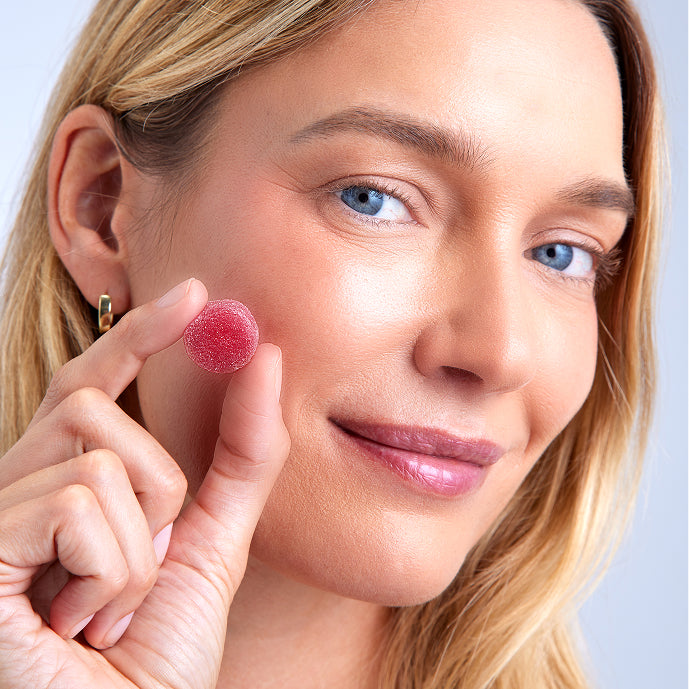
Our kava products are built around standardized extracts made from the root, with a disclosed kavalactone percentage and third-party testing for every batch. That's the same set of distinctions the research identifies as most important. If you want to see what that looks like in practice, our Kava Gummies use a standardized extract, so the dose is the exact same from one serving to the next.
As with anything new, checking in with a healthcare provider is worth doing, especially if you're on medications or managing a health condition.

Final Thoughts
Is kava safe? For most healthy adults using quality root-based products at reasonable serving sizes, current research supports a yes. The nuances still matter, of course. Namely, the source, the preparation method, the amount, and what else you're combining it with all factor into the picture. When those things are handled thoughtfully, kava has a long track record for a reason, and understanding why makes it much easier to use well.
We've done the work on our end to get those things right. The rest comes down to your situation and a conversation with your healthcare provider if you need one. If you're ready to try it, Kava Gummies give you that same standardized dose in a grab-and-go format, with no straining necessary.
Frequently Asked Questions About Kava Safety
Is kava safe for everyone?
Kava is generally well tolerated in healthy adults at typical serving sizes. People who are pregnant, nursing, managing liver conditions, or taking medications should speak with a healthcare provider before trying it.
Can kava damage your liver?
The research is more specific than early headlines suggested. Most documented concerns involved non-traditional kava preparations made from parts of the plant other than the root. Root-based kava at typical amounts does not appear to pose a significant risk to the liver for most healthy adults. Existing liver concerns warrant a conversation with your doctor first.
What are the most common kava side effects?
The most common are mild and short-lived: mouth tingling, mild nausea, and occasional dizziness, usually tied to serving size. They resolve quickly and are less likely at standard serving sizes.
Is it safe to mix kava with alcohol?
No. Both act on overlapping pathways, and combining them may amplify effects unpredictably. Kava is most commonly used as an alternative to alcohol, not alongside it.
Is kava safe to take every day?
Short-term daily use at moderate amounts is generally considered acceptable for healthy adults. Periodic breaks and reasonable serving sizes are the practical approach. Speak with a healthcare provider if you're planning to use it long-term.
How do I know if a kava product is safe to use?
Look for root-based kava as the source, a disclosed kavalactone percentage, and third-party testing. Products that don't specify which part of the plant was used or how the extract was prepared are worth approaching with caution.
Sources:
- Norton, S. A., & Ruze, P. (1994). Kava dermopathy. Journal of the American Academy of Dermatology, 31(1), 89–97. https://doi.org/10.1016/S0190-9622(94)70142-3
- Sarris, J., LaPorte, E., & Schweitzer, I. (2011). Kava: A comprehensive review of efficacy, safety, and psychopharmacology. Australian & New Zealand Journal of Psychiatry, 45(1), 27–35. https://doi.org/10.3109/00048674.2010.522554
- Teschke, R. (2010). Kava hepatotoxicity: Pathogenetic aspects and prospective considerations. Liver International, 30(9), 1270–1279. https://doi.org/10.1111/j.1478-3231.2010.02308.x
- World Health Organization. (2007). Assessment of the risk of hepatotoxicity with kava products. WHO Press.